Russia Faces Economic Meltdown as 700,000 State Jobs at Risk
Recent reporting suggests that around 700,000 state-employed workers in Russia are on the brink of redundancy, raising alarm bells about a potential economic meltdown. The crisis underscores how deeply the Russian economy is now shaken. (Reuters)
What’s Going On: Debt, Declining Revenues, and Cuts
The pressure has hit one of Russia’s largest employers — Russian Railways — which employs roughly 700,000 people. The company is reportedly struggling under a nearly $51 billion debt burden, caused by sharply falling revenues amid a broader slowdown in domestic demand and disruption of export markets. (Reuters)
In response, Russian Railways has begun slashing jobs, especially in its management and administrative ranks, and requested that some central-office staff take unpaid leave days — signalling a sweeping workforce restructuring. (Reuters)
But railways are just one example. Across multiple sectors — from rail and transport to heavy industry, mining, steel, coal and manufacturing — companies have cut hours, reduced shifts or quietly laid off workers as the “war economy” slows, Western sanctions bite harder, and domestic demand shrinks. (Reuters)
Broader Economic Weakness — A War-Driven Boom Turns to Bust
The difficulties go beyond individual companies. Analysts point to several structural challenges now converging:
- A sharp contraction in non-military sectors, with industry-wide output falling since earlier this year.
- Reduced appetite among businesses to expand headcount: recent surveys indicate that the number of Russian firms planning to hire more staff has more than halved over a nine-month period, while those planning layoffs have increased. (Reuters)
- High interest rates, inflation and tighter sanction-driven financial conditions have depressed investment and raised costs across the board. (Reuters)
The upshot: even as Russia continues to channel vast resources into military-industrial production, many of the civilian and state-controlled sectors that once supported towns and regions are now contracting sharply.
What Redundancies Could Mean for Russian Society
If tens or hundreds of thousands of public-sector and state-employer jobs disappear, the human and social consequences could be severe. For many Russians — especially outside major cities — state enterprises and public-sector employers remain the main source of stable wages and social support. Job losses could lead to rising poverty, economic despair, and decline of regional economies dependent on single large employers.
Moreover, this could stress already fragile supply lines for public services. If large numbers of workers in rail, transport and other critical infrastructure are laid off, it might degrade the provision of essential services — especially in remote or less-populated regions.
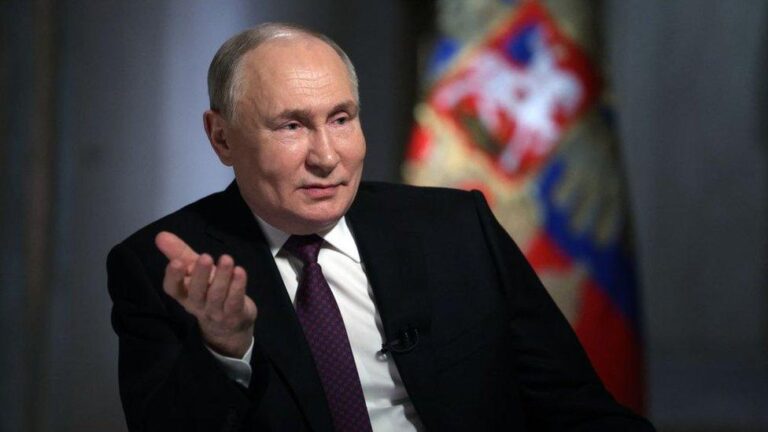
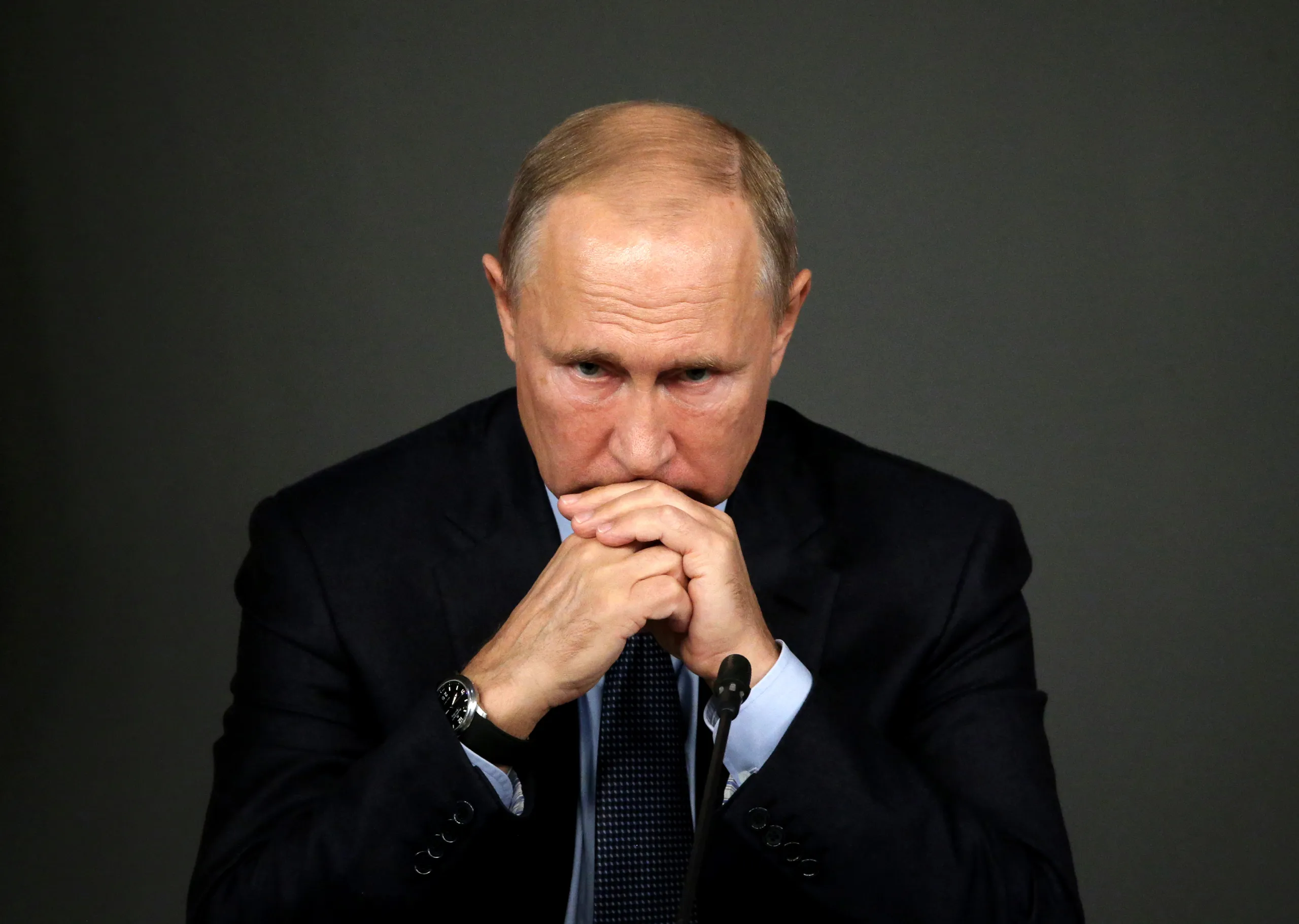
There is also a political dimension: mass layoffs among state employees undermine one of the key pillars of social support under the current regime. If repeated widely, it may erode public confidence and social cohesion — a risk Vladimir Putin’s government may find hard to ignore.
Why It Matters: Signs Russia’s War Economy Is Reaching a Breaking Point
Russia’s economy has long been propped up by military spending, state subsidies, and diversion from civilian sectors. But as the demands and costs of war accumulate, cracks are appearing in that model.
The shift from growth and full employment in many sectors — even amid war — to widespread layoffs and economic contraction marks a turning point. It suggests that the “war-driven economy” that once masked domestic weaknesses can no longer sustain itself indefinitely.
Moreover, the crisis in Russia’s public-sector employment may ripple beyond its borders: shrinking production, disrupted supply chains, and economic collapse in Russia could impact energy markets, global commodity prices (especially in raw materials), and the stability of neighbouring regions dependent on cross-border trade.
What to Watch — Possible Fallout and International Implications
In the coming months, several developments will bear close attention:
- Whether government bails-outs or subsidies will save large state companies like Russian Railways — or whether staff cuts and restructuring will deepen.
- How unemployment or “hidden under-employment” (cut hours, unpaid leave, furloughs) grow, especially among former state employees.
- The social consequences — migration, regional collapse, rise in hardship among pensioners, families, and communities dependent on state wages.
- The broader economic spill-over into industries still tied to civilian demand, including retail, construction, services, and manufacturing.
- Geopolitical outcomes — as a weakened Russia might find it harder to sustain its war effort, fueling shifts in regional power balances.
Conclusion: The Edge of Collapse — Russia’s Economic Reality Is Catching Up
What is unfolding now in Russia is more than isolated layoffs — it’s a systemic economic unraveling that threatens to destabilise not just companies, but communities, livelihoods, and perhaps even political stability.
The 700,000 state-employed workers reportedly facing redundancy are a warning sign: the war economy, long propped up by state funds and military demand, may be reaching the limits of its viability.
As the world watches, what happens inside Russia over the next months could shape not just its future — but the broader balance of economic and geopolitical power in Europe and beyond.
- International Puzzle Day: How Solving Problems Brings People Together
- Sir Cliff Richard Shares Cancer Diagnosis and Sends Message to King Charles
- The Great Divide: How Boomers and Millennials See Britain Totally Differently
- King Charles Faces Potential Mansion Tax Bill on His Private Homes
- Why Americans Think Brits Are Polite