Britons Urged to Stock Up as Cold Weather Hits — What You Should Have at Home
As the UK braces for plunging temperatures and harsher winter weather, public-health experts and government guidance are urging households to prepare now. That means more than just turning up the heating — it’s about stocking a few key items and taking simple precautions to protect health, safety and comfort. (Prepare)
With unpredictable weather, icy roads, supply-chain delays and rising energy bills, now is the time to make sure your home is ready for whatever winter sends your way.
Five Essentials Many Homes Should Consider This Season
1. Long-lasting food, medicines and water supplies
Winter storms, heavy snow or icy roads can make getting to the shops difficult. Health advisers recommend keeping enough non-perishable food, long-life milk, bottled water, and a supply of essential medicines — especially if you, or someone in your household, is older or has health conditions. (North Yorkshire Council)
In addition to food, it’s sensible to have a basic first-aid kit, some spare batteries, a torch, and an alternative light source in case of power cuts. (British Red Cross)
2. Safe heating — and tools to keep warm if the heating fails
Making sure your home can stay warm is vital. Government guidance recommends keeping living spaces at a comfortable temperature (around 18 °C) and fixing draughts around windows and doors to stop heat escaping. (GOV.UK)
In case heating fails or bills become too high, having extra warm blankets, hot-water bottles (used safely), warm clothing and rugs for bare floors can help maintain a livable environment. (ageco.co.uk)
3. Emergency tools and safety-related gear
Snow, ice and winter storms can lead to power cuts or hazards like frozen pipes. It’s smart to keep some key items ready: torches, spare batteries, a basic toolkit, and if you drive, de-icing salt or grit for paths and a basic vehicle winter kit. (British Red Cross)
For those who rely on gas boilers or other heating appliances: installing a working carbon monoxide alarm and checking that heat-sources and pipes are properly maintained are important winter safety measures. (Prepare)
4. Spare blankets, warm nightwear and layering clothes
When temperatures drop, having extra layers, warm nightwear, socks, slippers or slippers for home use can make a big difference — especially at night or when the home isn’t heating every room. (North Yorkshire Council)
For vulnerable people — older residents, infants, or anyone with chronic health issues — these small comforts can mean the difference between staying healthy or getting ill in cold weather. (GOV.UK)
5. Backup plans — contacts, support network, and readiness for disruption
Cold weather can coincide with illness (flu, coughs, viruses) and disruptions like power or transport failures. It’s wise to have a plan: know who can check on you or help with shopping, have contact numbers for local services (GPs, pharmacies, social and emergency services) to hand, and register for weather or power-cut alerts if possible. (Prepare)
Also consider planning for care or assistance for older relatives, young children or anyone vulnerable — especially if getting out becomes risky due to snow, ice or illness. (Age UK)
Why Now — And Who’s Most at Risk
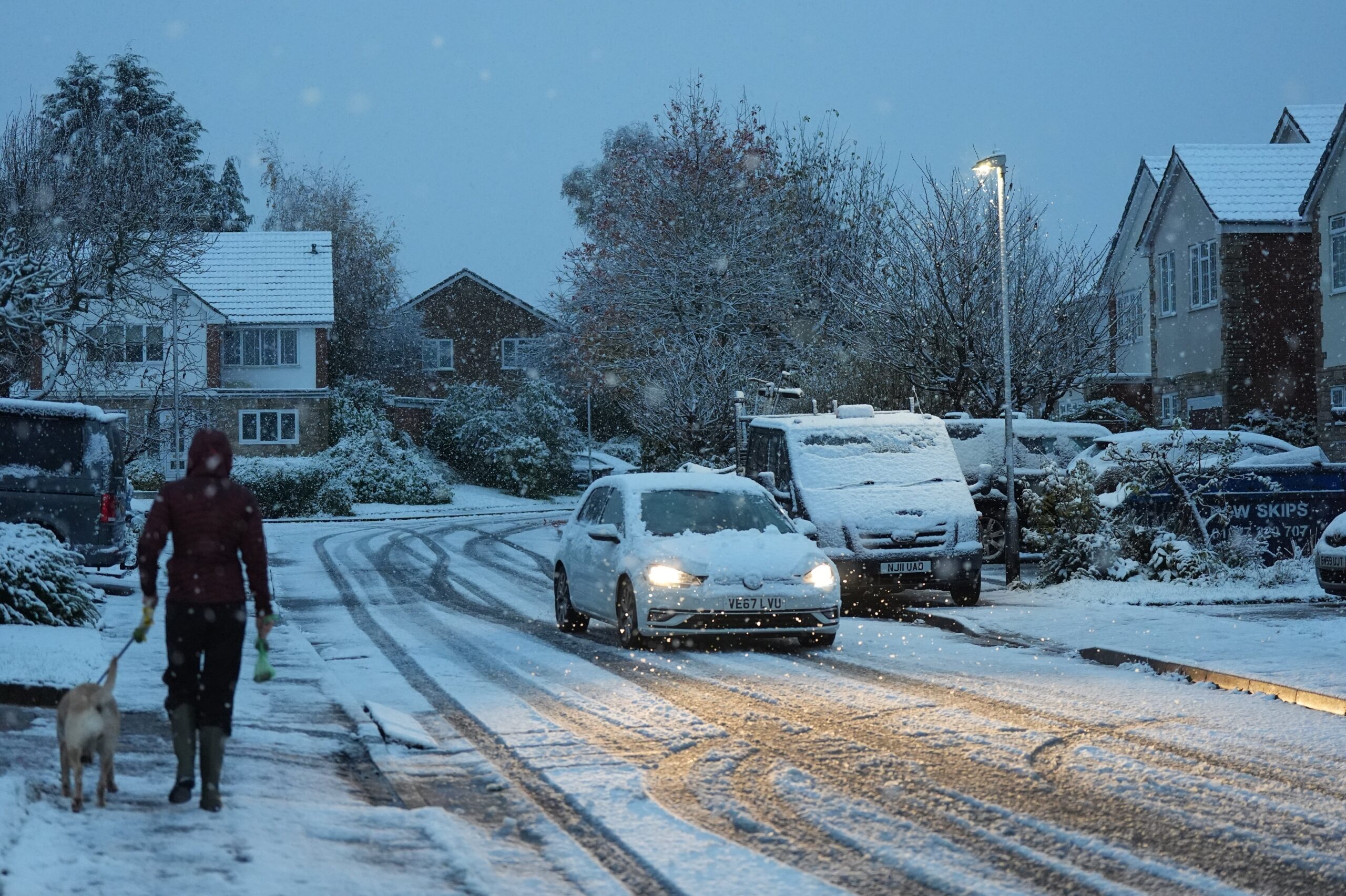
Cold weather combined with rising living costs makes winter more challenging. Experts warn that older people, those with long-term health conditions, and families on tight budgets face higher risks during cold snaps — including illness, hypothermia, and mental-health strain. (GOV.UK)
For many households, small decisions — like stocking up on food or warming supplies — may make a crucial difference when weather worsens or utilities become expensive or unreliable. Preparing early can prevent crises later.
Practical Tips to Winter-Proof Your Home — Before the Freeze Hits
Here are some simple actions you can take this weekend if you haven’t already started preparing your home:
- Check your boiler and heating: Make sure radiators work, bleed as needed, and consider insulating pipes or wrapping hot-water cylinders to avoid frozen pipes. (ageco.co.uk)
- Seal draughts: Add draught-excluders, seal gaps around windows/doors, use thick curtains — every bit helps. (ageco.co.uk)
- Stock basic supplies: Long-life food, water, meds, batteries, torch — enough for several days if needed. (North Yorkshire Council)
- Warm clothes and bedding: Ensure everyone in the household has warm clothes, blankets, slippers; especially important for children, elderly or anyone with health issues. (Age Co.)
- Plan ahead: Have emergency numbers handy, check on vulnerable neighbours/relatives, consider signing up for weather alerts, and review insulation or heating-efficiency aids like draught-proofing. (Prepare)
Conclusion: A Little Preparation Can Go a Long Way
As temperatures drop, ensuring your home is winter-ready isn’t just about comfort — it’s about safety, health and resilience. By stocking up on essentials, warming up your home efficiently, and planning for disruptions, you and your family can ride out winter far more confidently.
With a few simple steps now, you can avoid many of the common problems winter brings — from frozen pipes and power cuts to cold-related illnesses and last-minute panic. It’s not about overreacting; it’s about preparing sensibly — for peace of mind, warmth and well-being all season long.
- International Puzzle Day: How Solving Problems Brings People Together
- Sir Cliff Richard Shares Cancer Diagnosis and Sends Message to King Charles
- The Great Divide: How Boomers and Millennials See Britain Totally Differently
- King Charles Faces Potential Mansion Tax Bill on His Private Homes
- Why Americans Think Brits Are Polite