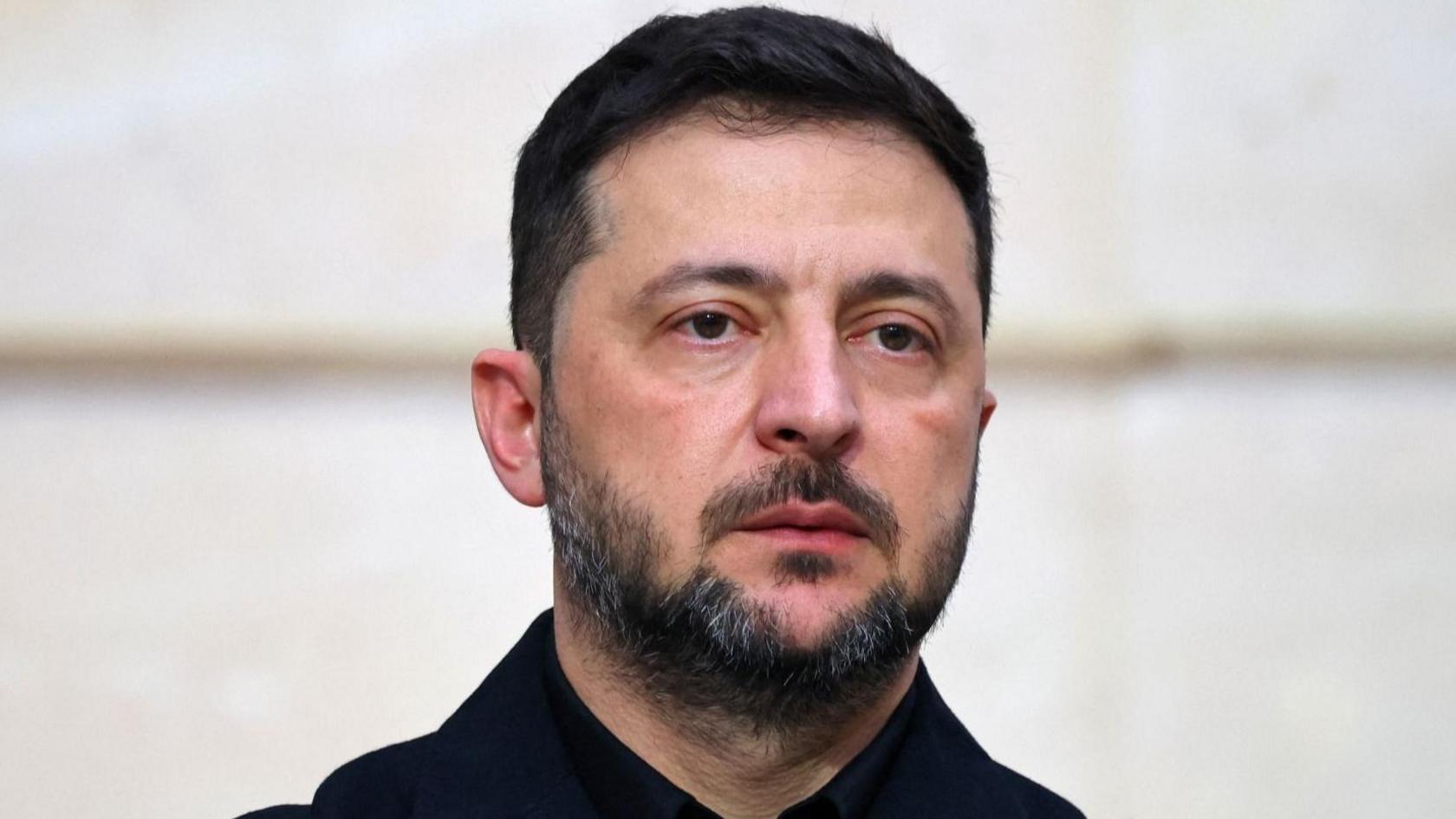
Zelensky Faces Growing Pressure as Ukraine’s President Grapples with Internal Rebellion
Ukraine’s wartime leader, Volodymyr Zelensky, once hailed as a unifying figure against Russian aggression, is now confronting mounting pressure on multiple fronts. A corruption scandal involving approximately $100 million in the country’s energy sector has triggered calls from within his own party for accountability. At the same time, Western-backed peace proposals are pressing Ukraine to consider major territorial or military concessions — putting Zelensky’s resolve, political capital and leadership in question.
Domestic Storm Clouds
At the heart of the crisis is the corruption scandal: investigations have revealed that senior officials and contractors allegedly siphoned off large sums from state-owned energy companies. The fallout has sparked protests, especially among young Ukrainians, and intensified scrutiny of Zelensky’s leadership style. While the president himself has not been formally implicated, critics argue that he allowed close associates to act with impunity — and now his inner circle, particularly his chief of staff, is being blamed.
Members of Zelensky’s own governing party are reportedly discussing his dismissal of key officials and potential reshuffles. Some fear that if the party fractures, Zelensky’s legislative majority—which has so far backed him through wartime rule—could be at risk. That would make passing essential reforms, especially on war-strategy and anti-corruption, far more difficult.
International Pressure & The War
On the external front, Ukraine continues to face the brutal reality of war: Russian forces advancing, relentless attacks on infrastructure, and the challenge of maintaining Western backing. Now, peace talks are complicating matters further. A joint U.S.–Russia draft proposal reportedly calls for Ukraine to cede territory and limit its armed forces — a demand Zelensky has repeatedly rejected. But if his domestic crisis weakens him, his ability to refuse or shape negotiations may diminish.
Why This Matters
Zelensky’s leadership has three key vulnerabilities:
- Political legitimacy. He came to power as a reform-minded outsider. The corruption scandal chips away at that image and risks undermining public trust—especially during wartime.
- Parliamentary support. A weakened party majority or internal rebellion could hamper Kyiv’s ability to respond swiftly—whether in military strategy or economic reform.
- International alliances. Ukraine’s war effort relies heavily on foreign aid and diplomatic backing. If the president appears to be losing control or bending to external demands, donors and allies may reconsider their level of support.
What Could Happen Next?
Zelensky has a chance to reclaim momentum if he acts decisively: he must publicly address the corruption scandal, reassure both citizens and allies, and demonstrate clear strategic direction in the war. Failing that, he risks being forced into concessions or sidelined politically.
If his governing party splits or significant defections occur, Ukraine may face internal instability at the worst possible moment. On the diplomatic front, if peace negotiations intensify and Zelensky lacks credibility to shape them, Ukraine could find itself pressured into a settlement that his base—and the war-torn public—would view as a betrayal.
Final Thought
Volodymyr Zelensky has led Ukraine through one of its darkest chapters and for a time appeared unassailable. But the current combination of scandal, internal unrest and external pressure shows that even wartime leaders are vulnerable. How he navigates this moment will shape Ukraine’s war effort, its political future and its standing among allies. The hope among many Ukrainians is that he can emerge stronger, but the risk that this becomes a turning point in his presidency is very real.