BBC Faces £1 Billion+ Revenue Shortfall as Licence-Fee Refusals Soar
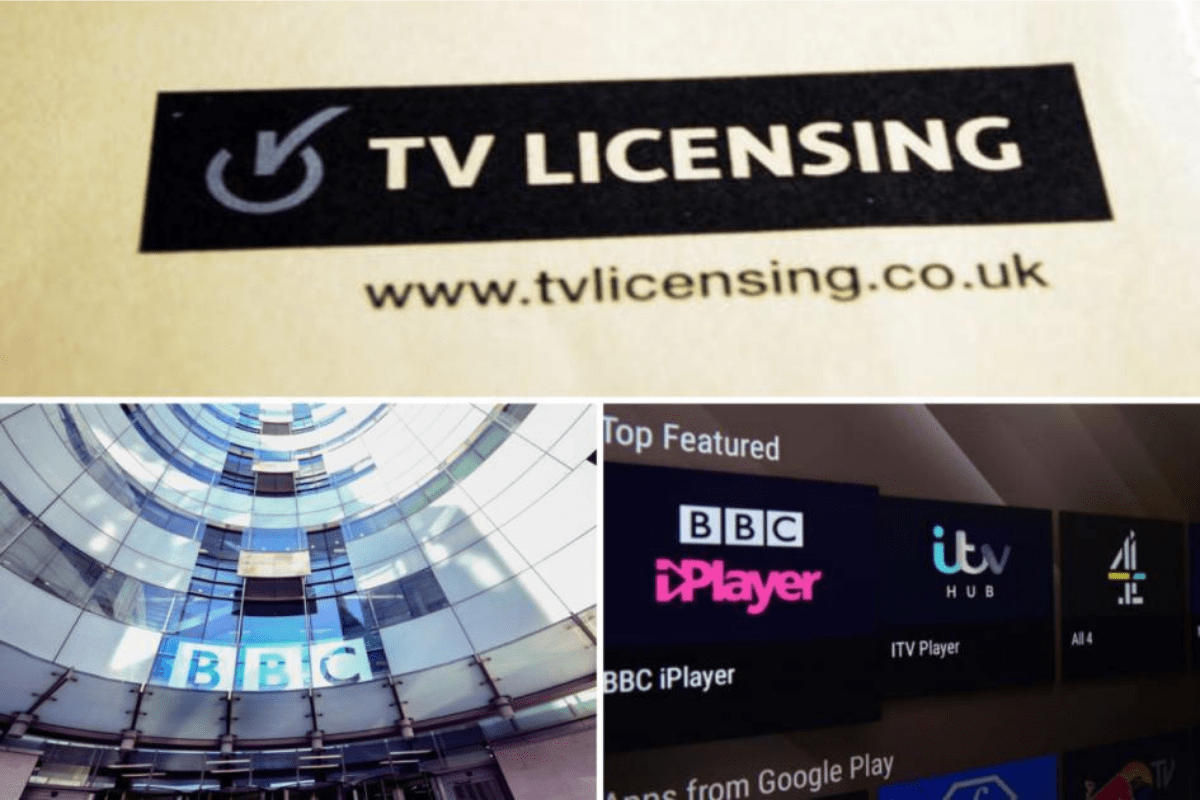
The BBC is confronting a severe financial storm. According to a new parliamentary report, the corporation is missing out on more than £1 billion each year as households increasingly refuse to pay the TV licence fee. The sharp rise in non-payment and evasion adds pressure on the BBC’s funding model, its role as a national broadcaster, and its relationship with the public.
The figures reveal a growing divide between the broadcaster and viewers — one driven by new viewing habits, increasing scrutiny over bias and a changing media landscape.
The Scale of the Shortfall
The report by the Public Accounts Committee (PAC) spells out the numbers in stark detail: the licence-fee evasion rate has risen to approximately 12.5 per cent, accounting for around £550 million in lost revenue. On top of that, an estimated 3.6 million households claim they no longer need a licence because they do not watch live BBC content. This group alone is responsible for up to £617 million in foregone income. Combined, the losses exceed £1.1 billion. (The Guardian)
The decline in licensed households is striking: licence numbers have fallen from 25.2 million in 2020 to around 23.8 million in 2024-25. Enforcement has not kept pace — despite a 50 per cent increase in visits to unlicensed properties, prosecutions in the last year fell by 17 per cent. (The Times)
Why So Many Are Opting Out
Several converging factors are driving this crisis. The traditional licence fee model is rooted in an era of standard television sets and analogue broadcasting. In today’s world of streaming platforms, on-demand services and multi-screen viewing, many households question the relevance of paying for a service they no longer use. The report notes that younger viewers, in particular, feel the BBC does not reflect their interests or viewing habits. (The Times)
Furthermore, accusations of bias and lack of impartiality have damaged trust. While the BBC continues to position itself as a universal, impartial public broadcaster, critics argue its output has become politically slanted or out of touch, encouraging households to reject the licence fee as a form of protest. Analysis suggests that the “bias storm” around the corporation has played a role in growing non-payment. (Insight UK)
Why It Matters
The consequences of this revenue gap are profound. With over £1 billion missing each year, the BBC’s ability to invest in new programming, support local news, maintain broadcast infrastructure and fulfil its public service mission is at risk. The pressure intensifies as competition from global streaming giants like Netflix, YouTube and Disney becomes more intense. The report warns the “ground is shifting beneath the BBC’s feet.” (The Times)
The falling licence fee income also raises fairness concerns. Paying households may view themselves as subsidising non-payers, which could further erode compliance and public support for the system. And for the BBC, enforcement appears increasingly ineffective: more visits to unlicensed homes, fewer successful prosecutions.
What Comes Next for the BBC
The timing of this revelation is critical, as the BBC’s Royal Charter renewal looms and discussions around its future funding model intensify. The broadcaster and government must decide whether to reform the licence fee, move to an alternate model (such as subscription or hybrid funding), or keep the existing structure while attempting to modernise it.
The BBC has acknowledged the need for change. A spokesperson said: “The licence fee needs reform. We are actively exploring all options that can make our funding model fairer, more modern and more sustainable.” (The Guardian)
Any reform will need to tackle multiple issues: aligning the licence fee with modern viewing habits, restoring trust across political and demographic lines, improving enforcement where possible and clarifying the broadcaster’s role in a digital age. The stakes are high — for the BBC, for its audiences and for the very idea of publicly-funded broadcasting in the UK.
Final Thought
For decades, the TV licence fee served as the financial bedrock of the BBC’s mission to inform, educate and entertain the UK. Now that model faces an existential challenge. With more households than ever refusing to pay, and with the shape of media consumption evolving rapidly, the warning signs are clear: without decisive reform the BBC’s financial foundations are under serious threat.
Whether the broadcaster can adapt—winning back trust, modernising its model and restoring relevance—is not just a question of budgets. It’s a question of identity, purpose and the place of public service broadcasting in Britain’s future.