UK Faces Real Risk of Blackouts as Nuclear Planning Stalls
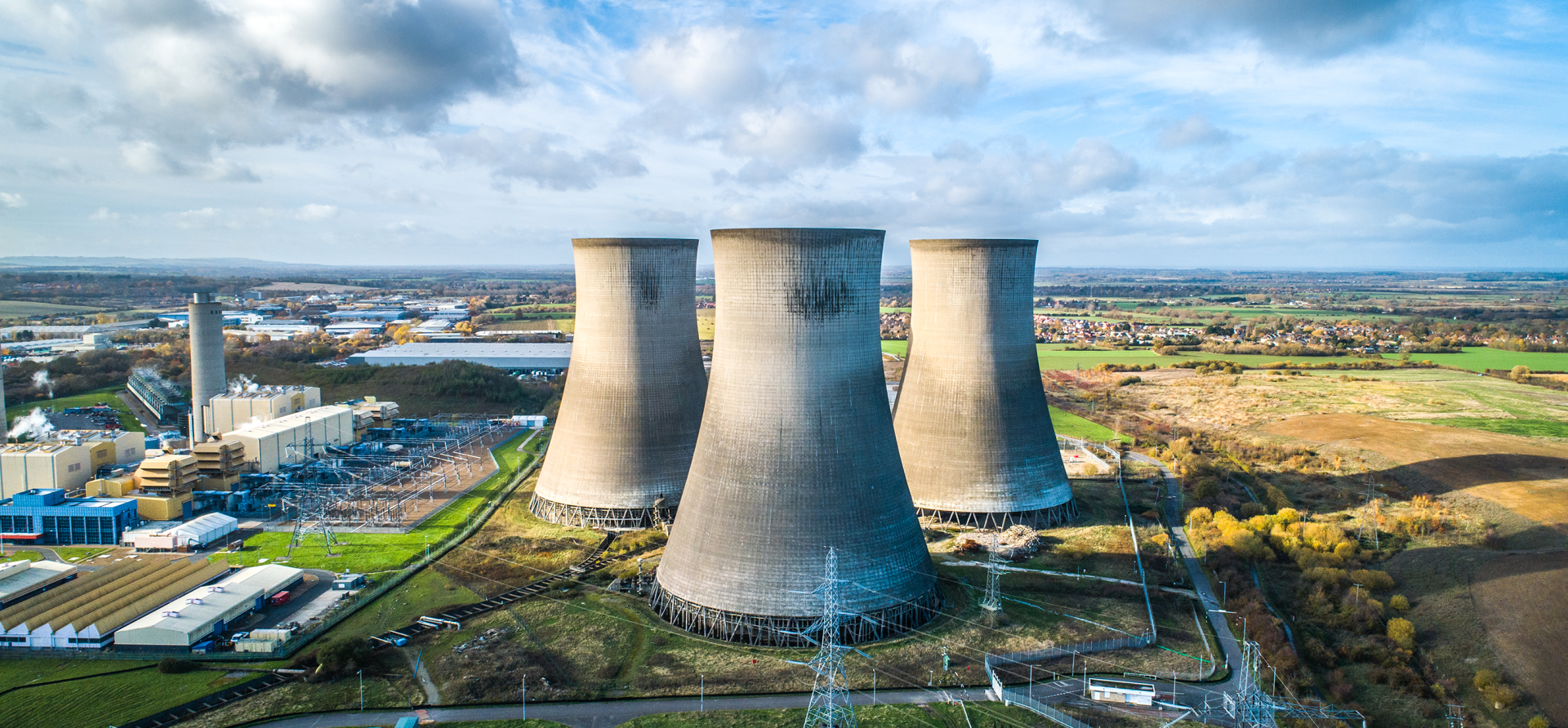
The United Kingdom is facing more than just routine energy worries. Industry experts and think-tanks are now warning of a genuine threat of blackouts unless urgent action is taken to unblock nuclear power planning and boost generation capacity. The problem isn’t that the country lacks ambition; it’s that the infrastructure, regulation and delivery of new nuclear plants are stuck in what many call a “planning paralysis.”
Why the Warning Is Being Issued Now
Back in 2013, the UK government aimed to have up to 24 GW of new nuclear capacity by 2050. But the delivery has fallen far behind schedule. Multiple new build projects have slipped, costs have soared and regulatory processes have bogged down. The result: a gap in baseload, reliable generation which is increasingly hard to fill with renewables alone. (electricityinfo.org)
The consequence is a tightening of spare capacity margins in the grid. With wind and solar increasingly part of the mix, renewable output still depends on weather and storage. Without enough firm power (like nuclear) to fill the gaps, the UK is exposed during cold, dark, low-wind periods. According to one report, the delay in nuclear delivery may mean the UK is less resilient to peaks in demand.
What’s Causing the Paralysis
There are several underlying issues. First, regulatory and planning obstacles for nuclear plants remain formidable. One government review described the UK’s nuclear regulation regime as “not fit for purpose” — citing excessive complexity, cost and delay.
Second, financing large nuclear projects has become more difficult and costly. Budget overruns, inflation and uncertainty over returns have made private investment harder to secure; this in turn slows new build decisions. Third, policy and political alignment continue to shift. While the government backs nuclear, planning-consent bottlenecks, local objections and infrastructure readiness (connections, supply chains) are slowing deployment. Finally, some existing nuclear plants are ageing and will soon retire, reducing capacity before replacements come online. This “capacity gap” is what analysts say raises blackout risk. (electricityinfo.org)
What Could Happen If Nothing Changes
If new nuclear capacity continues to fall behind, the UK may struggle to meet demand during peak times — particularly in winter when consumption rises and renewable output may drop. This risk doesn’t mean guaranteed nightly blackouts, but rather increasing frequency of “tight days” when the margin between supply and demand becomes dangerously small. The grid operator has warned of potential strain.
In practical terms, a blackout would mean widespread power cuts, possible disruption to health services, transport, communications and heated homes. It would also damage business confidence and undermine the government’s energy security credentials. The political fallout for any government facing rolling outages would be significant.
What Needs to Happen
To avoid the worst outcomes, the UK must act on several fronts. The nuclear regulatory system needs urgent reform to speed up approvals and reduce delays. Planning consent and infrastructure must be streamlined. New nuclear plants need clear financing models with strong private-public partnerships. At the same time, backup generation, storage, and grid resilience must be strengthened to bridge the gap until new nuclear capacity comes online. Policymakers must treat energy security as a strategic priority, not just a environmental one.
Final Thought
The warning lights are flashing for the UK’s electricity system. The ambition to deliver a low-carbon, reliable energy future remains laudable — but ambition alone won’t keep the lights on. Without resolving the paralysis in nuclear planning, the country risks heading into an era where blackouts shift from unlikely possibility to creeping inevitability. The time to act isn’t tomorrow — it’s right now.