Businesses Push Back After Reeves Confirms Pay Rise for Millions of UK Workers
The UK government’s decision to raise the national minimum (and living) wage has won plaudits from trade-unions and low-income workers — but it has also triggered a strong backlash from many business leaders, who warn the hike could undermine hiring and slow economic growth.
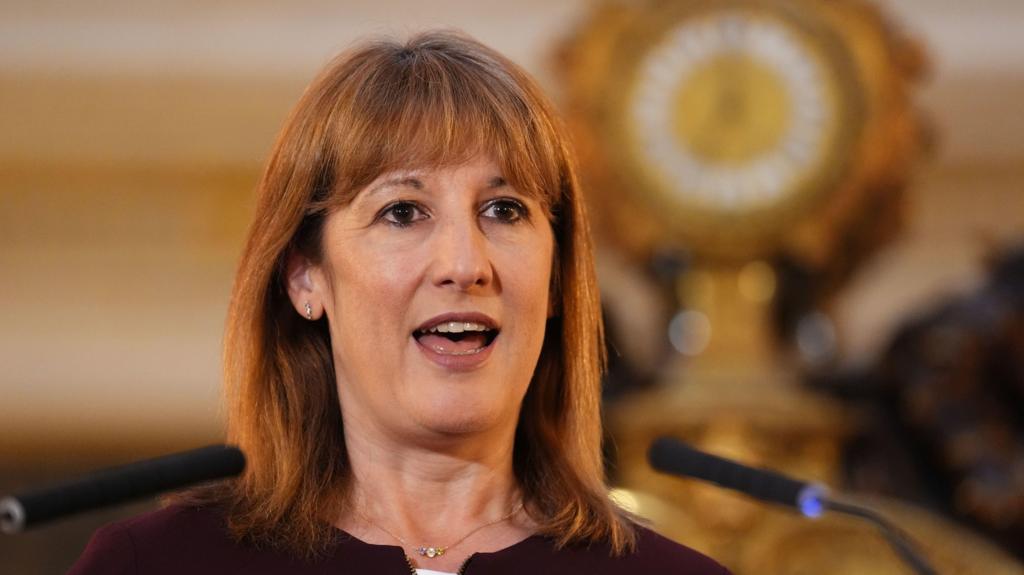
In a recent announcement, Chancellor Rachel Reeves confirmed that, from April 2026, the hourly rate for over-21s will rise from £12.21 to £12.71. The increase amounts to a 4.1 % boost and is expected to raise annual earnings by about £900 for around 2.4 million workers. Younger workers will also see a larger proportional increase: those aged 18–20 will see an 8.5 % rise to £10.85 per hour, while 16- to 17-year-olds and apprentices will get a 6 % rise to £8 per hour. (The Guardian)
For supporters, this move represents an effort to ensure the lowest-paid workers are “properly rewarded” — especially at a time when many households continue to struggle with the cost-of-living crisis. Unions and advocates argue the additional income could meaningfully improve living standards and stimulate consumer spending, which could benefit the wider economy. (The Guardian)
But business groups have responded with alarm. Some warn that higher labour costs will force companies — especially small firms and those already squeezed by inflation, higher business taxes, and rising energy costs — to reconsider hiring or even shed staff. They say the rise will increase overall operational costs at a time when firms are under intense pressure. (The Independent)
Economic analysts have also raised concerns about the impact on younger workers. According to critics, while the increased pay floor could benefit those already employed, it may also discourage employers from hiring less-experienced staff — potentially exacerbating youth unemployment, which is already elevated. (The Guardian)
For many in the public, this is a fraught balancing act. On one side lie fairness, social justice, and an urgent need to support workers in a cost-of-living crisis. On the other side are economic concerns: can businesses — particularly those in retail, hospitality, and small enterprises — absorb the additional labour costs without cutting jobs, passing costs to consumers, or reducing investment?
As the UK heads toward the next general election, and with a budget due soon, this pay-rise decision is likely to remain a flashpoint. In the short term, millions of workers will see their pay packets go up — but the longer-term consequences for employment, inflation, and business viability remain uncertain.