10 Outdated British Household Rules Gen Z Is Refusing to Follow
For generations, British households have been governed by a strict (and slightly mysterious) set of unwritten rules. These were passed down from grandparents to parents and enforced with the solemnity of the Magna Carta. But now, Gen Z — known for questioning everything from workplace norms to the existence of fitted sheets — has decided that many of these old rules no longer make sense.
Here are the classic household habits Gen Z is boldly abandoning, much to the confusion of everyone over 40.
1. “No Heating Until November”
This rule has survived wars, blizzards and several prime ministers, but Gen Z is done with it. They’re turning the heating on when it’s cold — an approach Boomers describe as “financial recklessness” and Gen Z describes as “not wanting to freeze to death.” Pragmatic, if nothing else.
2. “The Good Towels Are for Guests Only”
Every British home has The Good Towels, usually stored in a cupboard and used exclusively by visitors who barely notice them. Gen Z sees no point in owning luxury towels that they themselves are forbidden to touch. They are using them, washing them and living their truth — even if it causes generational gasps.
3. “Don’t Sit on the Decorative Cushions”
Decorative cushions have long been treated like museum artefacts, strategically arranged and never actually leaned on. Gen Z, however, has started rejecting the idea of cushions with no practical purpose. They sit on them, squish them, nap on them — and refuse to apologise.
4. “Keep the Sofa Covered in Plastic”
This was once a proud tradition in some households, particularly among grandparents determined to preserve their sofa for decades. Gen Z cannot imagine living in a home that makes relaxing feel like sitting on a greenhouse floor. The plastic is gone. The sofa is soft. Peace has returned.
5. “Always Save Gift Bags — They’re Practically Currency”
Older generations treat gift bags as valuable heirlooms, folded neatly and reused for at least seven Christmases. Gen Z still reuses them, but they’re far less precious about the ritual. They’re unmoved by the idea that ripping a gift bag is a punishable offence.
6. “Never Throw Away a Biscuit Tin — You Might Need It”
British cupboards are full of biscuit tins containing everything except biscuits. Sewing kits, spare buttons, receipts from 2003 — all stored “just in case.” Gen Z is dialling this back. They keep a few tins, but not the entire Royal Family commemorative collection.
7. “Don’t Touch the Nice China”
For decades, special plates were saved for special occasions that never actually happened. Gen Z is using the nice china whenever they fancy a fancy plate. Tea tastes better. Pasta tastes better. Life is too short for cupboard museums.
8. “The Cupboard Under the Stairs Is for Hoarding, Not Organising”
For many Brits, the under-stairs cupboard is a multi-generational time capsule containing old coats, Christmas decorations and the ghost of a vacuum cleaner last seen in 2008. Gen Z, raised on organisation videos, has taken a different approach: labelling, decluttering and knowing exactly where everything is. Elders remain suspicious.
9. “Always Save Old Cables — One Day They’ll Be Useful”
British drawers everywhere contain a terrifying tangle of obsolete chargers, mysterious adaptors and cables belonging to devices that haven’t existed in decades. Gen Z is refusing to carry this burden into the future. They keep necessary chargers only — a radical idea that horrifies anyone who lived through the VHS era.
10. “Don’t Touch the Thermostat — Ever”
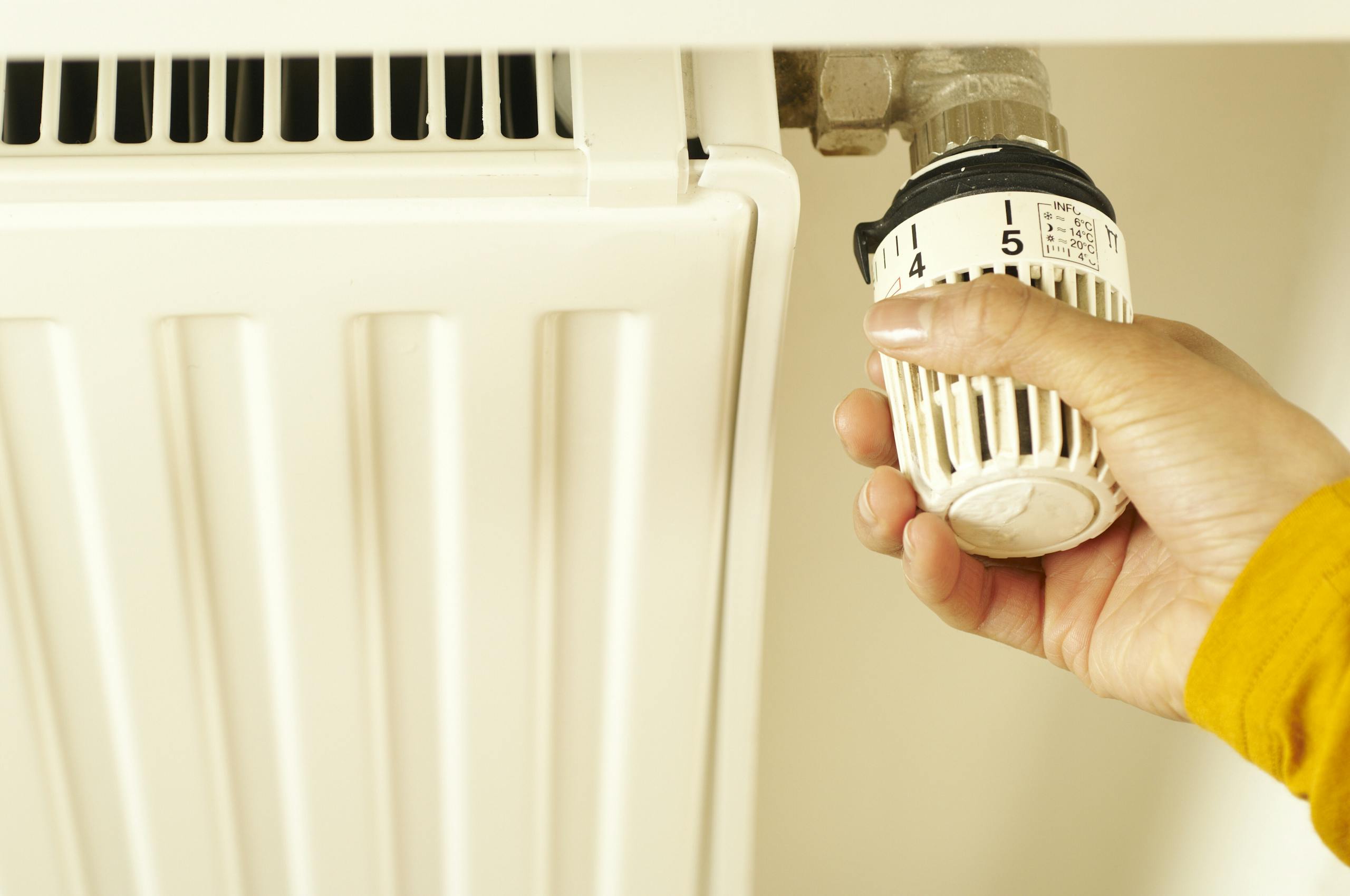
The thermostat was once sacred, guarded like the crown jewels. Gen Z touches it freely. Adjusts it confidently. Changes it without guilt. This newfound thermostat autonomy is the clearest sign that British household power structures have officially shifted.
Final Thoughts
British household rules may have stood the test of time, but Gen Z has entered the picture with fresh perspectives and fewer feelings of obligation to tradition. Whether it’s using The Good Towels or finally retiring the biscuit tin for its intended purpose, they’re rewriting the domestic handbook in a way that feels refreshingly practical.
Older generations may find it shocking, but deep down, many of these changes make sense — and the future of British households looks a little warmer, a little easier and far less full of mystery cables.
- International Puzzle Day: How Solving Problems Brings People Together
- Sir Cliff Richard Shares Cancer Diagnosis and Sends Message to King Charles
- The Great Divide: How Boomers and Millennials See Britain Totally Differently
- King Charles Faces Potential Mansion Tax Bill on His Private Homes
- Why Americans Think Brits Are Polite