Is Christmas in Britain Losing Its Spark? The Signs Everyone’s Noticing
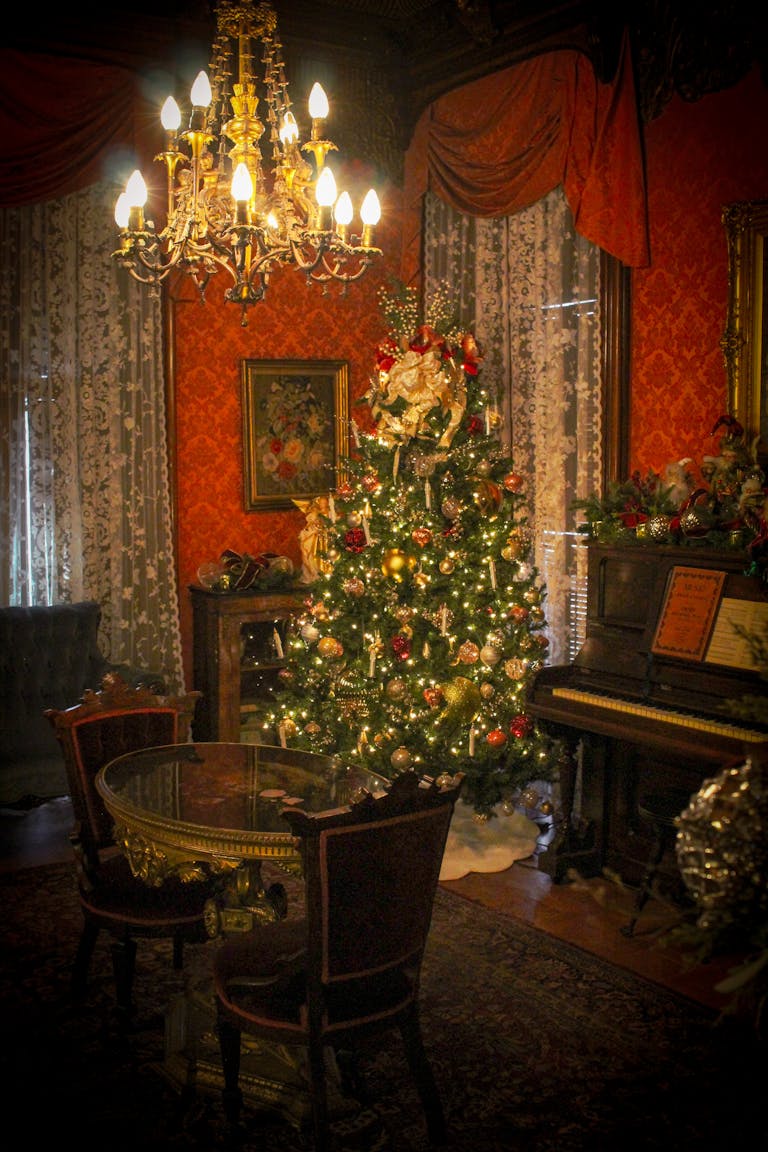
For generations, Christmas in Britain has been a season of comfort, nostalgia and predictable joy. But in recent years, something feels different — and many Brits are saying it out loud. Whether it’s the cost, the stress, or the quiet fading of traditions that once defined the festive season, Christmas simply doesn’t seem to shine the way it used to.
So what happened? And why does the season feel less magical than before?
The Cost-of-Living Crisis Has Damaged the Festive Mood
One of the clearest reasons Christmas feels different is financial pressure. Families that once splurged without thinking now carefully calculate the cost of everything — from Christmas dinner to train tickets home. Rising prices have squeezed the season until many can no longer enjoy it without guilt. Secret Santa has replaced proper presents, travel is avoided, and even fairy lights stay switched off to save money.
Christmas joy is harder to feel when the season starts with financial dread.
Traditions Are Fading — Or Being Replaced
For decades, British Christmas traditions were strangely consistent: paper chains in classrooms, office parties, overflowing stockings, and the same old TV specials. But with cultural habits changing and younger generations reshaping how (and if) they celebrate, long-standing traditions have quietly slipped away.
Fewer families sit down to watch the Queen’s (now King’s) Speech. Fewer kids wake up to selection boxes. Many households don’t bother with Christmas cards. The rituals that held Christmas together are fading — and the replacements don’t have the same emotional weight.
Christmas Has Become a Stress Event, Not a Celebration
Instead of excitement, many Brits now associate Christmas with logistics, pressure and responsibility. The season comes with an endless list of tasks: buying presents, wrapping them, organising travel, booking time off work, arranging childcare, buying food, planning events, and navigating family politics.
It’s supposed to be a holiday — but for a lot of people, it feels like unpaid project management.
By the time Christmas arrives, the fun has already been used up.
Commercialisation Has Taken Over Completely
Commercialisation isn’t new, but it has reached a point where many say the festive season feels fake. Christmas decorations appear in shops before Halloween. The adverts start too early. The pressure to buy more and spend more has reached absurd levels. Even advent calendars — once a simple joy — now come with price tags in the hundreds.
The season feels less magical when every moment comes with a sales pitch.
The Digital World Has Changed How We Celebrate
Social media has reshaped Christmas in ways no one expected. Instead of gathering for spontaneous moments, many families spend Christmas Day half-absorbed in their phones. Traditions that once brought people together — board games, carolling, long conversations — are being replaced by scrolling, streaming and posting.
Christmas used to be about presence. Now it’s often about presentation.
Climate Change Has Stolen the Winter Magic
It sounds simple, but it’s true: Christmas doesn’t feel like winter anymore. In many parts of the UK, December is mild, wet and oddly autumn-like. Without frost on the windows or the chance of snow, the festive season feels visually incomplete. It’s hard to feel cosy when the weather feels wrong.
Final Thought: Can the Spark Come Back?
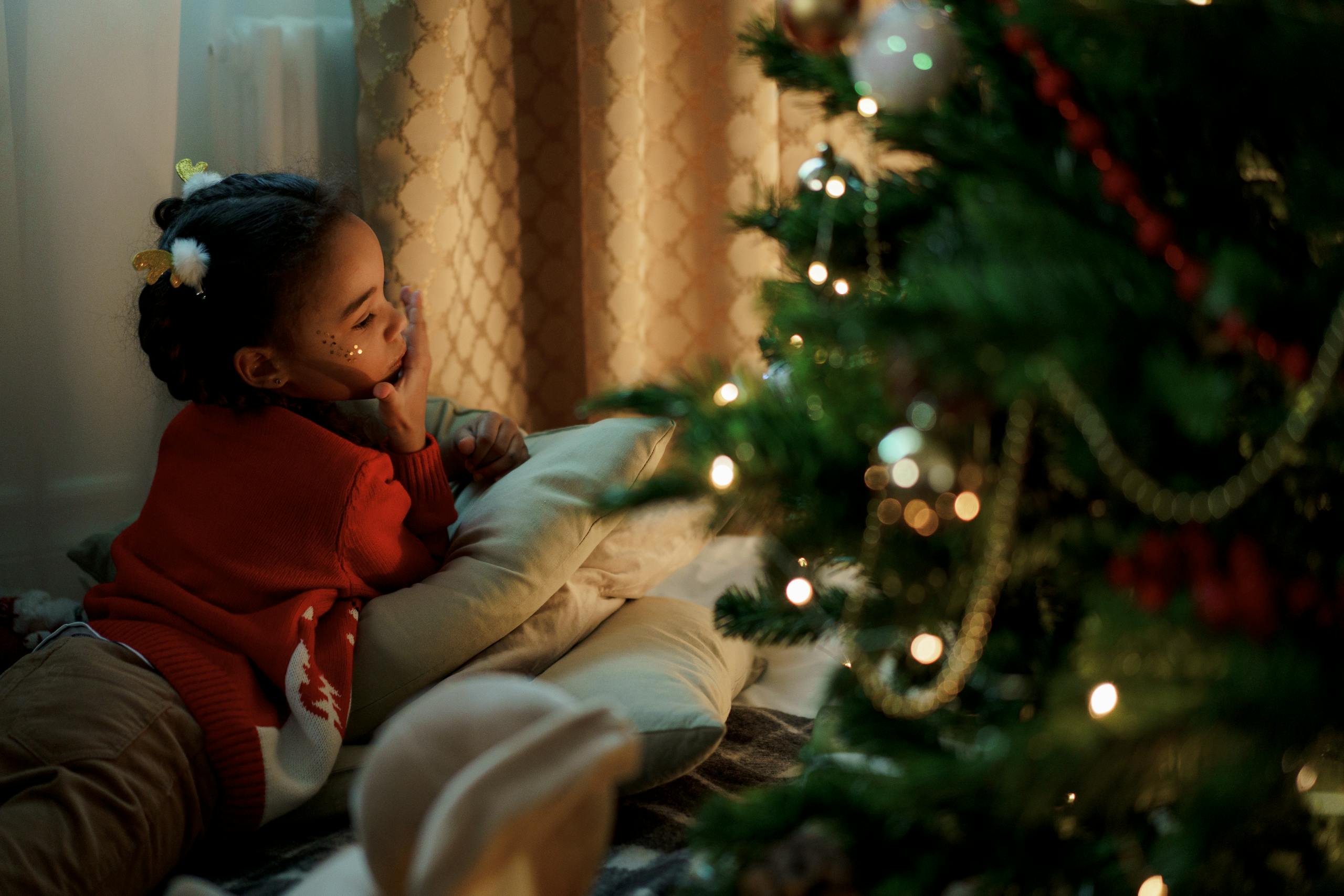
Christmas in Britain hasn’t disappeared — but it has changed, and people feel it. The magic hasn’t vanished entirely; it’s just harder to find. It lives in the smaller moments: a quiet drink with friends, a familiar film, a walk through the lights, or the joy of a child opening a gift.
But the truth is unavoidable: Christmas no longer feels as simple, as warm, or as effortlessly joyful as it once did. Whether the spark returns depends on whether Britain can slow down, simplify and reconnect with what made the season meaningful in the first place.