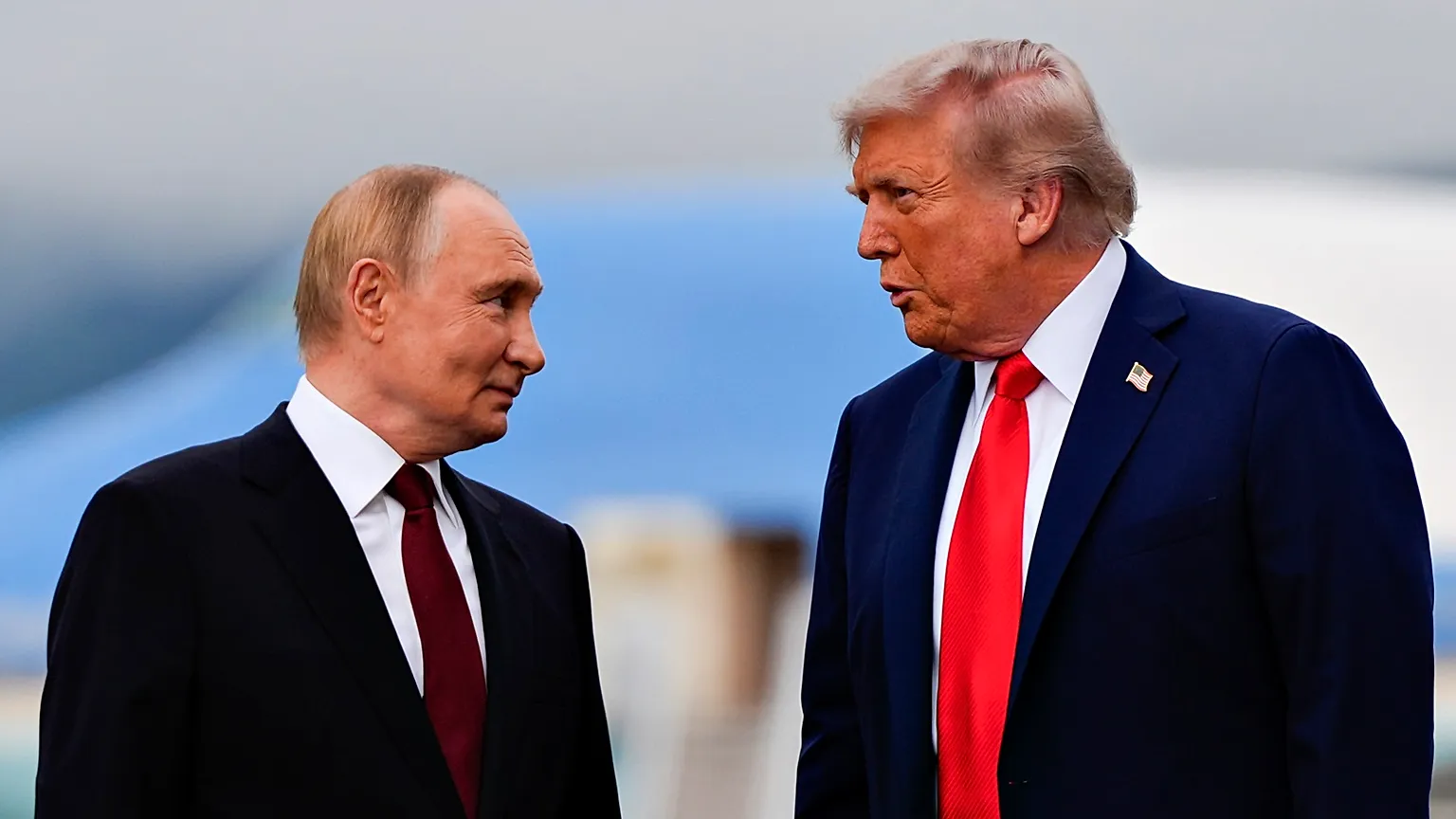
Tension Escalates as Russia Hits Ukraine Shortly After Peace Negotiations
Russia is again under fire after launching a fresh wave of strikes on Ukraine, prompting outrage in Washington — and renewing doubts over Moscow’s commitment to peace even as diplomatic efforts continued. The barrage came mere hours after a round of talks described by officials as “constructive,” highlighting the fragile and volatile state of negotiations. (AP News)
Fresh strikes as diplomacy continues
According to reports, Russian forces carried out multiple drone and missile strikes targeting cities across Ukraine, hitting energy infrastructure and causing widespread damage. (Politico) Among the hardest-hit regions were central and northern areas, where power and water supplies were disrupted — a blow Ukraine says is part of a winter-weaponisation strategy by Moscow. (The Independent)
The timing of the attack — following a newly revived negotiation push backed by the U.S. — has raised immediate concerns among Western and Ukrainian officials. Critics contend that the strike undermines trust and calls into question Russia’s sincerity in any peace process. (AP News)
Trump lashes out — and tensions rise
In the aftermath of the attack, U.S. President Donald J. Trump reportedly expressed “fury” toward Russia’s actions, accusing Moscow of sabotaging diplomatic efforts. The condemnation puts further pressure on the peace negotiations that U.S. envoys have been pressing for, including recent high-level meetings with Moscow’s leadership. (AP News)
Western allies, already wary of Russia’s repeated violations, are now calling for greater clarity and commitment: either Moscow must stop attacks while talks are underway — or diplomacy itself risks collapse. (Reuters)
A peace process under threat
The strikes have reignited fears that Russia may not be negotiating in good faith — that diplomacy might be used as a cover while military operations continue. Many in Kyiv and Western capitals view the timing as a deliberate provocation. (Politico)
Even as negotiators say a peace deal might be “close,” Russia’s continued aggression severely undermines confidence. Key outstanding issues — most notably the status of territories such as Donbas and control of the Zaporizhzhia nuclear power plant — remain unresolved. Moscow’s apparent willingness to strike even while diplomacy proceeds suggests that any agreement could be fragile at best. (Reuters)
What happens next — hopes and risks
- Kyiv and its allies will likely demand that Russia suspends all attacks as a pre-condition for further talks — a move Moscow may reject, increasing the risk of collapse.
- The international community faces pressure to strengthen Ukraine’s defences, especially its ability to protect critical infrastructure through winter, to deter further strikes.
- Diplomatic efforts — led by U.S. envoys and backed by European partners — will need to balance negotiation prospects with firm deterrence, or risk being undermined by repeated aggression.
- Public confidence in any ceasefire or agreement may further erode if civilians continue to suffer while talks drag on, putting added pressure on both Kyiv and its allies to insist on real commitments from Moscow.
The latest Russian attack — coming just as peace talks were underway — underlines how fragile and unpredictable the situation remains. As Russia faces condemnation from the U.S. and its allies, the question looms: can diplomacy survive when bombs fall at the same time negotiations begin?
- International Puzzle Day: How Solving Problems Brings People Together
- Sir Cliff Richard Shares Cancer Diagnosis and Sends Message to King Charles
- The Great Divide: How Boomers and Millennials See Britain Totally Differently
- King Charles Faces Potential Mansion Tax Bill on His Private Homes
- Why Americans Think Brits Are Polite