6 Canadian Foods That Leave the Rest of the World Gagging
Canada has a diverse culinary landscape with famously delicious and iconic foods like poutine, butter tarts, and Nanaimo bars. But the country also has some dishes that shock the rest of the world. Whether it’s because of their unfamiliar flavours, ingredient combinations, or appearance, these Canadian dishes cause many to gag, turn their heads, or just choose something else altogether. Today we’re diving into some parts of the not-so-tasty Canadian foods that tend to shock others. Ready to learn about some less-than-pleasant Canadian foods? Make sure to read until the end to find out about all of them.
Pouding Chomeur
Pouding chômeur is a traditional Quebecois-Canadian dessert. It dates back to the Great Depression when women made it to help soothe their husbands. The dessert is made of white cake with syrup made of brown sugar and water. It’s most commonly eaten warm or at room temperature. Canadians love the sweetness and comforting appeal of the dessert, evoking warm and cosy feelings. Pouding chômeur is deeply rooted in Quebec history and culture and is versatile and can be made with many different variants like fruits, nuts, etc. But, though Canadians love their pouding chomeur, the world doesn’t see it the same way. Many people feel it is too sweet, heavy, and filling. Others feel that it becomes a soggy, messy, complicated, textured mess and lacks a positive appearance.
Pea Soup
Pea soup has been a Canadian culinary staple for more than four hundred years. It started in Quebec and quickly became more popular across the country. Its thick and comforting texture has made it an irresistible dish for many Canadians, especially during the brutally cold winter season. The soup is made from yellow split peas, ham hock, and vegetables. It’s seen as an affordable, practical, and nutritious meal that most Canadians adore. But, for the rest of the world? It’s not always a hit. It has a thick and mushy-like texture with a pungent, earthy smell. These two things combined can be very off-putting to many. Pea soup can be too rich for many, and for those who don’t like peas, it’s not a hit at all. Finally, it’s often very high in sodium, and for those leaning towards a healthier diet, pea soup isn’t at the top of their list.
Muktuk
Muktuk is a traditional Inuit food made from whale skin and blubber. It is often made from bowhead whale and usually consumed raw but can also be eaten frozen, cooked, or pickled. Muktuk holds deep cultural and spiritual significance, offering a deep connection to the Inuit ancestry. The Canadian food is often consumed during celebratory events and has been a vital food source with a unique flavour and texture with a tonne of nutrition. However, while Canadians love and appreciate the significance of Muktuk, the rest of the world isn’t quite on board. From the unfamiliar texture to the distinctive flavour and the ethical concerns surrounding how it’s made, many just can’t understand the appeal of Muktuk to Canadians. It requires an acquired taste and looks unfamiliar to those not accustomed to it.
Bison Burgers
Bison burgers are a popular Canadian food item that the rest of the world doesn’t see the appeal of. Canadians love them for many reasons. They’re made from bisons that are raised in Canada and grass-fed, making them more environmentally friendly than other meat sources. They’re also a source of iron, omega 3 and 6, and vitamins B6 and 12. Bison burgers have a distinctive flavour and are very versatile. You can use whatever spices and flavourings you want, and they typically pair perfectly with bison meat. However, global eaters aren’t as fond of bison burgers as Canadians. They have a strong and potentially overpowering flavour and a less tender texture than traditional beef. Bison is typically more expensive and, for those unfamiliar with it, can be simply off-putting in general.
Pickled Herring
Pickled herring is a dish made from herring fish preserved in a vinegar-based solution. It’s particularly popular in Eastern Canada and has a tangy, salty flavor. Pickled herring has a unique and bold fishy flavour with a firm, slightly chewy texture. It’s usually enjoyed with bread, crackers, or potatoes. But, while Canadians love their pickled herring, the rest of the world has second thoughts about it. It has a strong fishy taste and smell, as well as a bold vinegary flavour, and for some, an unappealing texture.
Fried Tofu in Maple Syrup
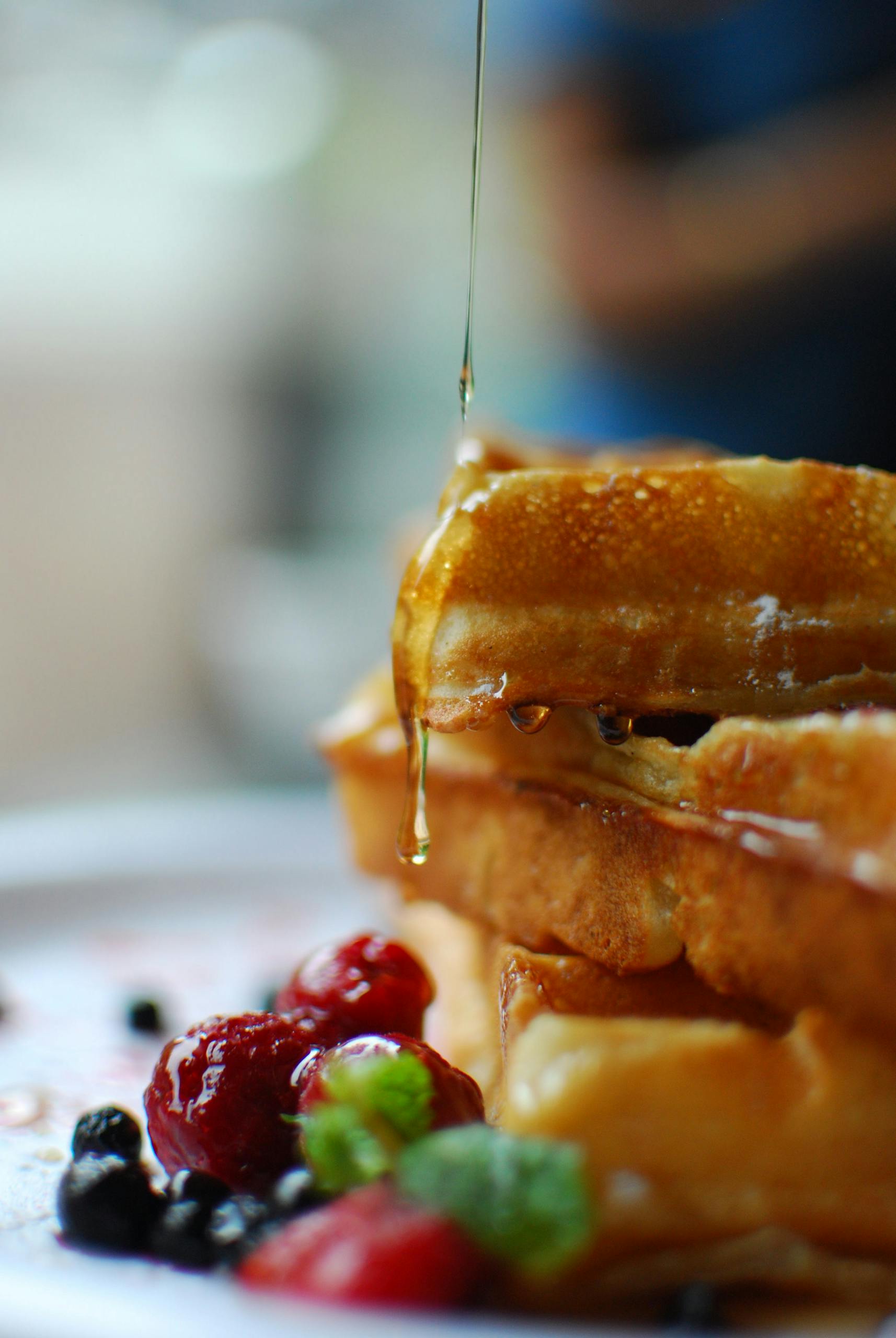
Fried tofu in maple syrup is a unique Canadian dish that doesn’t satisfy the global appetite. But, Canadians love it. It offers a crispy exterior texture with a spongy inside and delicious sweetness. Fried tofu in maple syrup is made from tofu that is pan-fried until golden and crispy. Then it is drizzled with Canada’s iconic maple syrup. It’s a blend of both sweet and savoury flavours, making it a popular plant-based dish. Canadians love the texture and find it both comforting and indulgent. But the rest of the world? They find it a strange combination of flavours with the tofu and maple syrup. They also are not a fan of the texture and might find it too sweet and with an overpowering maple flavor. For the parts of the world that are texture sensitive or not a fan of sweetness, fried tofu in maple syrup might not be a fan favourite.
The Takeaway
In the end, Canadian foods are historically delicious. There are many favourites that have become iconic dishes all throughout the world. But these six dishes don’t make the list of Canadian foods that the rest of the world loves. Whether it’s because of the bold or unfamiliar flavour, unique ingredient combinations, interesting texture, or the appearance of the dish altogether, there are many reasons why these dishes don’t make the cut. But these are just some of the beautifully unique parts of Canadian culinary culture. Have you tried any of these? What were your thoughts?