12 Banned Food Items From Around The Globe
If you’re doing some travelling and wander into a grocery store, there’s a good chance that some of your favourite items won’t be available. Many countries have strict laws concerning food, additives, food dyes, and more. Today we are sharing twelve banned food items from around the world. Spot how many you’ve tried finding! From certain types of cheese in Italy to the infamous Kinder Surprise chocolate eggs in the United States, to the iconic Gatorade drink, Scottish Irn Bru, and much more, we bet you’ll be surprised with the amount of banned items you’ve probably heard of! The restrictions often stem from health concerns and regulations on ingredients permitted. Ready to learn about the banned foods?
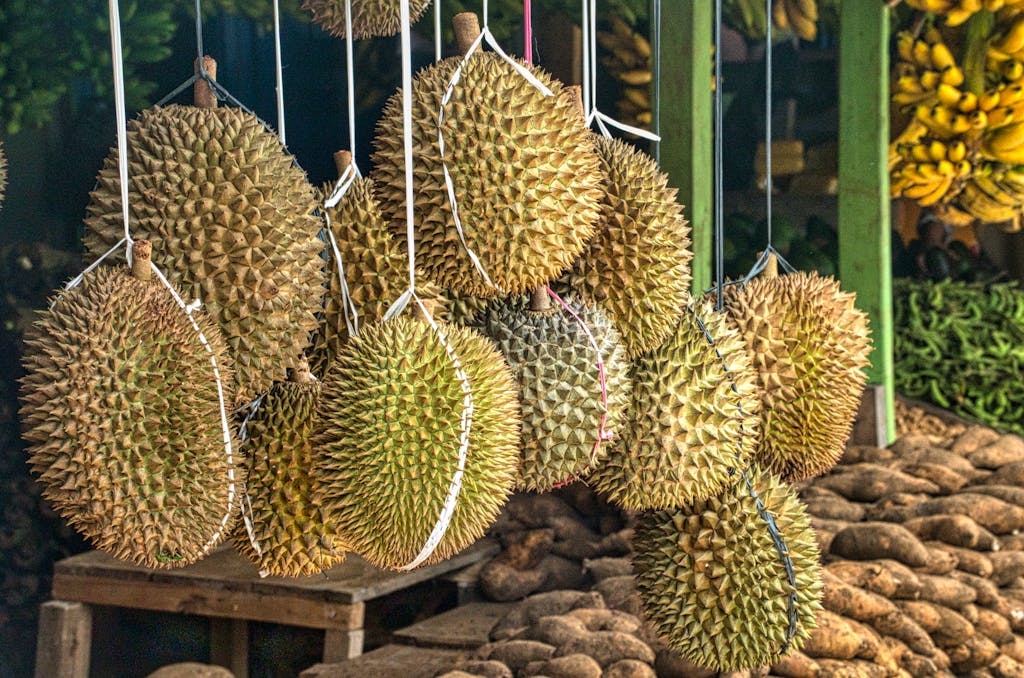
1. Durian Fruit
Singapore has banned durian fruit in public spaces. It’s banned because of its intensely strong odour. It’s also banned on airplanes in some Southeast Asian countries, hotels, and stores. Despite its potent smell, many people consider durian to be the “king of fruits” due to its unique flavour and creamy texture. For those who appreciate it, indulging in durian can be a delightful culinary experience, often enjoyed in various dishes or simply eaten fresh.
2. Bush Meat
Bush meat refers to wild mammals, amphibians, reptiles, rodents, etc. This can include animals such as monkeys, giraffes, and antelopes. The United States has banned it due to its potential to transmit diseases to humans who consume it. However, in many parts of the world, people often hunt for bush meat as a traditional source of protein. The practice raises concerns about wildlife conservation and the potential spread of zoonotic diseases, prompting ongoing debates about sustainable hunting practices and food security.
3. Raw Milk
Raw milk is banned in Canada. The ban is because raw milk can contain harmful pathogens like E. coli, listeria, and salmonella. The pasteurisation process involves killing those bacteria, making the milk safe to consume.
4. Fugu
Fugu is a type of pufferfish that is commonly eaten throughout Japan. It is a dish that requires meticulous preparation and requires chefs to undergo extensive training to ensure its safety. Fugu contains a potentially fatal poison that can cause paralysis and asphyxiation very quickly. Although there isn’t a complete ban on fugu consumption, there are strict regulations worldwide.
5. Casu Martzu
Casu martzu is a traditional Sardinian sheep milk cheese. It uses live insect larvae as part of the fermentation process. The European Union has banned the cheese due to the potential for the larvae to carry harmful microorganisms that could infect the person eating it.
6. Irn Bru
Irn Bru is a Scottish soft drink. It is fizzy, sweet, and well-loved throughout the nation. The Canadian Food Inspection Agency bans it due to its “enriched vitamins and minerals.” Despite its ban in Canada, Irn Bru continues to enjoy a devoted fan base in Scotland and beyond, often seen as a cultural icon. Many fans argue that its unique flavour and vibrant colour set it apart from other soft drinks, making it a top choice for both locals and visitors alike.
7. Marmite
Marmite is a British food spread made from yeast extract. People often describe it as having a salty, earthy flavour and use it on toast. Marmite is banned from Denmark because of its tough laws on foods with added vitamins.
8. Shark Fins
In Chinese culture, eating shark fins is considered a delicacy. However, it’s become quite controversial over the years because shark finning involves removing the fin while the shark is still alive. After losing its fin, the shark struggles to swim in the water, often sinking to the bottom, where they either suffocate or succumb to a predator. Shark finning is illegal in the United States and Canada.
9. Kinder Surprise Eggs
The iconic chocolate eggs with the plastic toy inside have been known to bring copious amounts of joy to little ones for decades. However, the United States has banned them, and crossing the border with one could result in a hefty fine. This is because the FDA ruled that food containing other items (like toys) would not be legal.
10. Foie Gras
Foie gras is a speciality food made from the liver of a duck or goose. Despite its popularity in France and its velvety buttery taste, some states, like California, have banned it due to the significant suffering the bird endures during preparation.
11. Gatorade
Gatorade is an iconic sports drink, available in many different flavours and strongly linked with professional sports. Gatorade is banned or restricted in some countries due to its high sugar content and artificial ingredients. For instance, countries such as Norway and Denmark prohibit certain Gatorade formulations due to their use of artificial food colorings and sweeteners that fail to comply with local food safety regulations.
12. Farm-raised salmon
Some countries ban or heavily restrict farm-raised salmon due to environmental and health concerns. For example, Australia and New Zealand have strict regulations or bans on the farming of Atlantic salmon, primarily due to concerns about the impact of salmon farming on local ecosystems, including the spread of diseases and parasites to wild fish populations. Additionally, in Scotland, there have been calls to limit or halt the practice due to issues like water pollution, antibiotic use, and the negative effects on biodiversity.
Final Thoughts
In conclusion, global food bans often raise significant questions about health, safety, and environmental impact. Whether due to harmful ingredients, unsustainable practices, or ethical concerns, these bans highlight the differences in food regulations and cultural values across countries. Some regions may view certain foods as dangerous or unethical, while others may find them common, highlighting the complex relationship between food, society, and regulation.