7 Signs Britain Is Changing Faster Than People Can Keep Up With
Britain has always evolved, but the pace of change over the last decade has been unusually intense. Many people feel the country they grew up in is transforming so quickly that it’s becoming hard to recognise. From work culture and technology to public services and even social attitudes, modern Britain feels noticeably different — and not everyone is finding it easy to adjust.
Here are the most striking signs that the UK is moving into a new era faster than people can comfortably follow.
1. Traditional British Values Are Being Rewritten
Ideas that once defined British identity — politeness, stoicism, community spirit and quiet resilience — are becoming less prominent as society shifts toward individualism and emotional openness. Younger generations prioritise mental health, personal boundaries and calling things out rather than keeping quiet. Older Brits often say they don’t recognise the cultural tone anymore, while younger people argue the old rules were too restrictive. The clash reflects a country trying to redefine who it is.
2. Work No Longer Means What It Used To
The expectation of a stable career, a secure job for life and a clear path to success has collapsed. Remote working, gig jobs, automation and unstable contracts have replaced traditional employment structures. The average British working week looks entirely different from even ten years ago. While some welcome flexibility, others feel lost in a world where routines and reliability have vanished. The generational divide in attitudes toward work has never been wider.
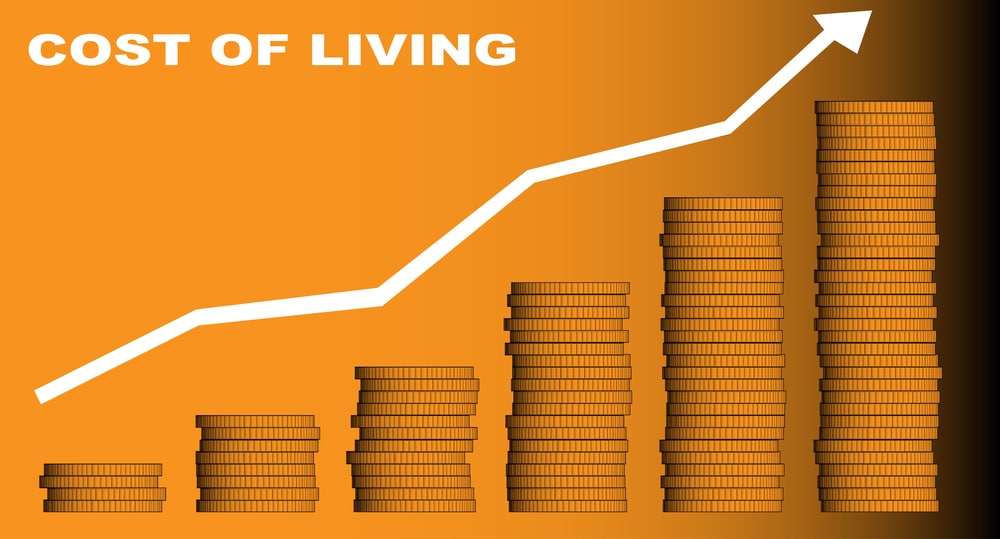
3. The Cost of Living Has Outpaced Reality
Rising bills, higher rent, expensive transport and shrinking wages have forced millions to change their lifestyle dramatically. What used to be considered normal — buying a home, going out regularly, heating the house comfortably — has become difficult for huge sections of the population. Many feel Britain is shifting from a nation of modest comfort to one where people are constantly trying to stay afloat. The economic pressures are reshaping daily life faster than people can adapt.
4. Cities Are Transforming While Smaller Towns Fall Behind
While major cities like London, Manchester and Bristol continue to grow, smaller towns are struggling with empty high streets, limited transport and disappearing local services. The contrast creates the sense that Britain is splitting into two completely different countries — one fast-paced and modern, the other stagnant and overlooked. The speed of change in cities is overwhelming, while the lack of change elsewhere is equally unsettling.
5. Technology Is Moving Far Faster Than Society Can Handle
Cashless payments, AI, self-checkouts, app-based services and digital everything have become standard almost overnight. For younger people, these tools are convenient; for older generations, they are often confusing or inaccessible. Even public services are moving online in ways that leave many behind. The shift to a fully digital Britain feels sudden, and not everyone is convinced the country was ready for it.
6. Community Life Isn’t What It Used To Be
Pubs, community centres, local shops and neighbourhood organisations were once the backbone of British social life. Many of these spaces have disappeared or changed beyond recognition. People work more, socialise less and move around more frequently, making traditional community bonds harder to maintain. A growing number of Brits say they feel isolated despite living in crowded towns or cities. Modern life is busy, but strangely disconnected.
7. Public Services Are Struggling to Keep Up
The NHS, rail network, justice system and local councils have been under strain for years. Waiting lists grow longer, trains become less reliable, and basic services feel harder to access. Britain’s systems were designed for a different era — and as the population grows and demands increase, the infrastructure simply hasn’t kept pace. The frustration people feel is not just about decline; it’s about a sense that the country can’t keep up with its own needs.
Final Thought
Britain isn’t falling apart — but it is changing at a pace that leaves many people feeling unsettled. Some of these changes bring progress, modernisation and new freedoms. Others highlight deep challenges and growing divisions. What’s clear is that the country is entering a new chapter, one that looks very different from the Britain many remember.
And as the pace of change continues, the biggest question is whether the nation can adapt — or whether the gaps between generations, regions and lifestyles will keep widening.